
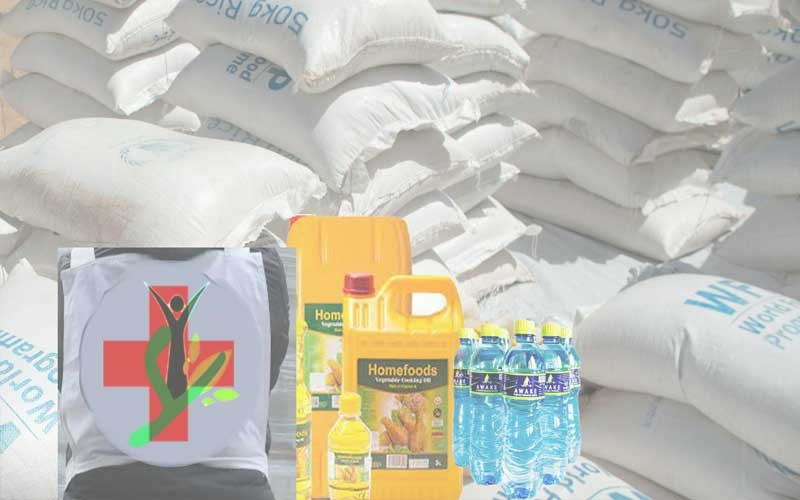
Save Life Environmental provides Humanitarian aid, assistance and support provided to people affected by disasters, conflicts, or other crises to alleviate suffering, protect lives, and promote human dignity and well-being. Here are some key aspects of humanitarian aid:
Emergency Relief: Humanitarian aid often involves providing immediate and life-saving assistance to individuals and communities affected by natural disasters (such as earthquakes, hurricanes, floods) or man-made crises (such as conflicts, displacement, epidemics). This includes the provision of food, clean water, shelter, medical care, and other essential supplies to address urgent needs and prevent further harm.
Protection and Safety: Save Life work to ensure the protection and safety of vulnerable populations, including refugees, internally displaced persons, women, children, and other marginalized groups. This may involve safeguarding human rights, preventing violence and abuse, promoting gender equality, and advocating for the rights and well-being of those affected by crises.
Health and Nutrition: Humanitarian aid includes efforts to address health and nutrition needs in crisis-affected areas, such as providing medical care, vaccinations, maternal and child health services, and nutrition support. Ensuring access to healthcare and essential medicines is crucial for preventing disease outbreaks and improving the overall health and well-being of affected populations.
Shelter and Livelihoods: Save Life support the provision of emergency shelter, housing, and infrastructure for displaced populations to ensure their safety and dignity. Additionally, efforts to restore livelihoods, create economic opportunities, and promote sustainable development are essential for helping communities recover from crises and rebuild their lives.
Education and Psychosocial Support: Humanitarian aid includes initiatives to provide educational opportunities, psychosocial support, and protection for children and youth affected by crises. Access to education, safe spaces, and mental health services is critical for promoting resilience, empowerment, and healing in the aftermath of emergencies and traumatic experiences
Coordination and Partnerships: Save Life efforts involve coordination among various stakeholders, including governments, non-governmental organizations (NGOs), international organizations, and local communities. Collaborative partnerships and coordination mechanisms help ensure effective and efficient delivery of aid, avoid duplication of efforts, and maximize impact in responding to humanitarian crises.
Long-Term Recovery and Resilience: Save Life also support long-term recovery and resilience-building efforts in post-crisis settings to help communities recover, rebuild, and become more resilient to future shocks and stresses. This may involve capacity building, community empowerment, disaster risk reduction, and sustainable development initiatives to promote lasting positive change and reduce vulnerability to future disasters.
Overall, Save Life plays a crucial role in providing lifesaving assistance, protection, and support to people in need during emergencies and crises. By upholding humanitarian principles of humanity, neutrality, impartiality, and independence, humanitarian aid organizations strive to alleviate suffering, uphold human rights, and promote dignity and resilience among affected populations around the world.