
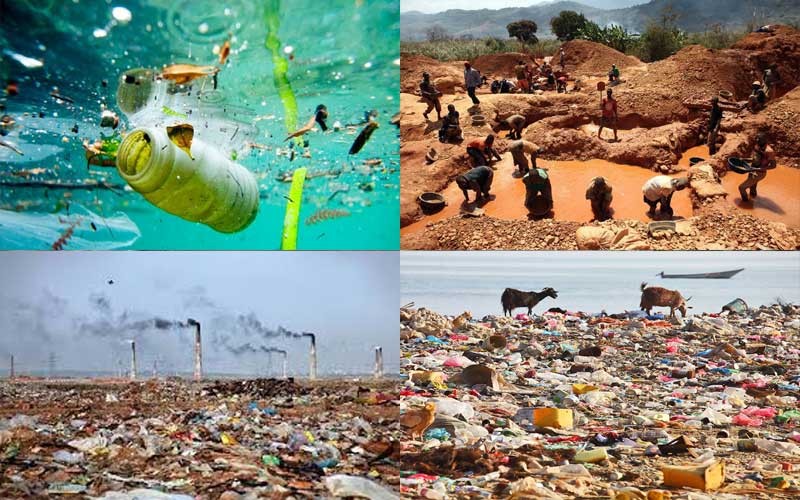
Environmental pollution refers to the contamination of the natural environment by harmful substances or pollutants, leading to adverse effects on ecosystems, human health, and the planet as a whole. Here are some key aspects of environmental pollution:
Air Pollution: Air pollution occurs when harmful gases, particulate matter, and other pollutants are released into the atmosphere, often as a result of industrial activities, transportation, agriculture, and energy production. Common sources of air pollution include vehicle emissions, industrial processes, burning of fossil fuels, and wildfires. Air pollution can have serious health impacts, such as respiratory diseases, cardiovascular problems, and reduced life expectancy, as well as environmental consequences, such as acid rain, smog, and damage to ecosystems.
Water Pollution: Water pollution occurs when contaminants, such as chemicals, heavy metals, pathogens, and nutrients, enter water bodies like rivers, lakes, oceans, and groundwater. Sources of water pollution include industrial discharges, agricultural runoff, sewage discharge, oil spills, and improper waste disposal. Water pollution can harm aquatic ecosystems, threaten biodiversity, contaminate drinking water sources, and pose risks to human health through exposure to contaminated water and seafood.
Soil Pollution: Soil pollution refers to the contamination of soil with hazardous substances, such as heavy metals, pesticides, industrial chemicals, and waste materials. Soil pollution can result from activities like industrial processes, mining, agriculture, improper waste disposal, and use of contaminated land. Contaminated soil can affect crop productivity, food safety, groundwater quality, and ecosystem health, as well as pose risks to human health through exposure to contaminated soil and food crops.
Plastic Pollution: Plastic pollution is a specific form of environmental pollution caused by the accumulation of plastic waste in the environment, particularly in oceans, rivers, and terrestrial ecosystems. Single-use plastics, microplastics, and plastic debris from packaging, consumer products, and fishing gear contribute to plastic pollution, posing threats to marine life, wildlife, and human health. Plastic pollution can harm marine ecosystems, entangle animals, and introduce toxic chemicals into the food chain, with long-lasting impacts on the environment
Noise Pollution: Noise pollution refers to excessive or disruptive noise levels in the environment, often caused by transportation, industrial activities, construction, and urban development. Noise pollution can have negative effects on human health, including hearing loss, stress, sleep disturbances, and cardiovascular problems, as well as impact wildlife behavior, communication, and habitat quality. Mitigation measures like sound barriers, noise regulations, and urban planning can help reduce noise pollution and protect human well-being and environmental quality.
Climate Change: Climate change is a global environmental issue driven by the accumulation of greenhouse gases in the atmosphere, primarily from human activities like burning fossil fuels, deforestation, and industrial processes. Climate change leads to rising temperatures, extreme weather events, sea level rise, and disruptions to ecosystems, posing risks to human health, food security, water resources, and biodiversity. Mitigating climate change through reducing greenhouse gas emissions, transitioning to renewable energy, and adopting sustainable practices is crucial for addressing this interconnected environmental challenge.
Regulatory Frameworks and Solutions: Addressing environmental pollution requires a combination of regulatory frameworks, policy measures, technological solutions, and public awareness efforts to reduce pollution sources, promote sustainable practices, and protect the environment. Strategies like pollution control laws, emission standards, waste management regulations, pollution monitoring, and public education campaigns can help prevent and mitigate environmental pollution, safeguarding ecosystems, human health, and the planet for future generations.
Overall, environmental pollution poses significant threats to the health and well-being of ecosystems, wildlife, and human populations, highlighting the urgent need for collective action to address pollution sources, protect natural resources, and promote sustainable development practices that minimize environmental impacts and promote a cleaner, healthier environment for all.