
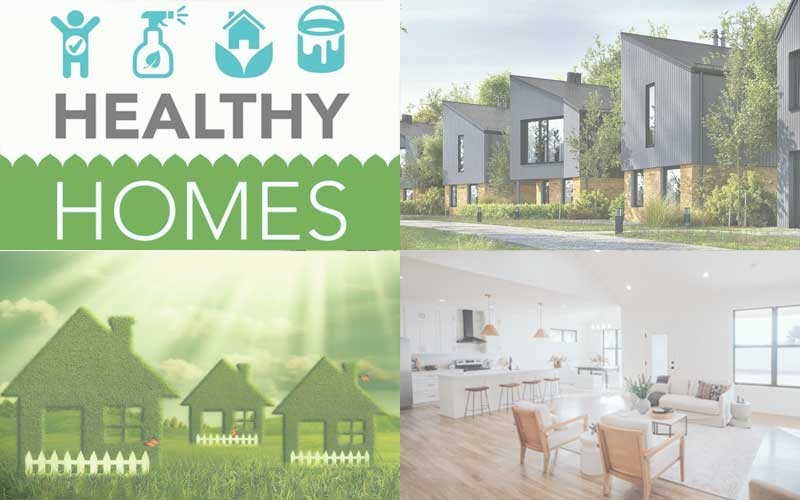
Save Life Environment promote the importance of healthy homes that are Healthy homes are residences that are designed, built, and maintained to support the health and well-being of occupants. Here are some key elements of healthy homes:
Indoor Air Quality: Healthy homes have good indoor air quality, free from pollutants such as mold, dust, allergens, and volatile organic compounds (VOCs). Proper ventilation, air filtration systems, and regular maintenance help ensure clean and fresh indoor air, reducing the risk of respiratory problems and allergies.
Temperature and Humidity Control: Healthy homes maintain comfortable temperature levels and appropriate humidity levels to promote occupant comfort and well-being. Proper insulation, efficient heating and cooling systems, and humidity control measures help create a healthy indoor environment and prevent issues like mold growth and moisture-related problems.
Natural Light and Ventilation: Healthy homes are designed to maximize natural light and ventilation, creating bright and airy spaces that enhance mood, productivity, and overall wellbeing. Well-placed windows, skylights, and ventilation systems allow for adequate airflow and natural light, reducing the need for artificial lighting and improving indoor air quality.
Safe and Non-Toxic Materials: Healthy homes use safe and non-toxic building materials, finishes, and furnishings to minimize exposure to harmful chemicals and allergens. Low-VOC paints, formaldehyde-free materials, natural fibers, and eco-friendly products help create a healthier indoor environment and reduce indoor air pollution.
Water Quality and Safety: Healthy homes have clean and safe drinking water, free from contaminants such as lead, bacteria, and chemicals. Regular water testing, proper plumbing maintenance, and water filtration systems ensure that residents have access to high-quality water for drinking, cooking, and bathing.
Safety and Accessibility: Healthy homes prioritize safety and accessibility for all occupants, including children, elderly individuals, and people with disabilities. Features such as handrails, grab bars, non-slip flooring, smoke detectors, carbon monoxide detectors, and secure windows and doors help prevent accidents and injuries and promote a safe living environment.
Healthy Lifestyle Support: Healthy homes encourage healthy lifestyle choices by providing spaces for physical activity, relaxation, and stress reduction. Features like outdoor green spaces, exercise areas, natural elements, and quiet zones support mental and physical well-being and promote a balanced and active lifestyle for residents.
Maintenance and Upkeep: Healthy homes are well-maintained and regularly inspected to address potential issues and ensure the long-term health and safety of occupants. Routine maintenance tasks, timely repairs, and proactive measures help prevent problems like water damage, pest infestations, and structural issues that can impact indoor environmental quality.
By incorporating these elements into home design, construction, and maintenance practices, homeowners can create living spaces that promote health, comfort, and well-being for themselves and their families. Healthy homes contribute to a sustainable and resilient built environment, supporting the overall health and quality of life of residents for years to come.